At the injury
The Skin Overreacts
A cut, piercing, spot or operation starts the healing process, and in some people it can go into overdrive.
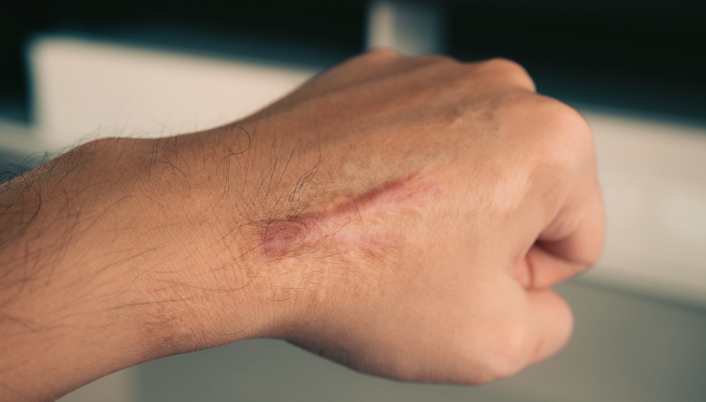
Removing a keloid with surgery alone often leads to a larger one, because the skin that heals the wound can overreact all over again. Low-dose radiotherapy given within days of surgery is a recognised way to reduce that risk. Dr Shaffer plans it together with your surgeon.
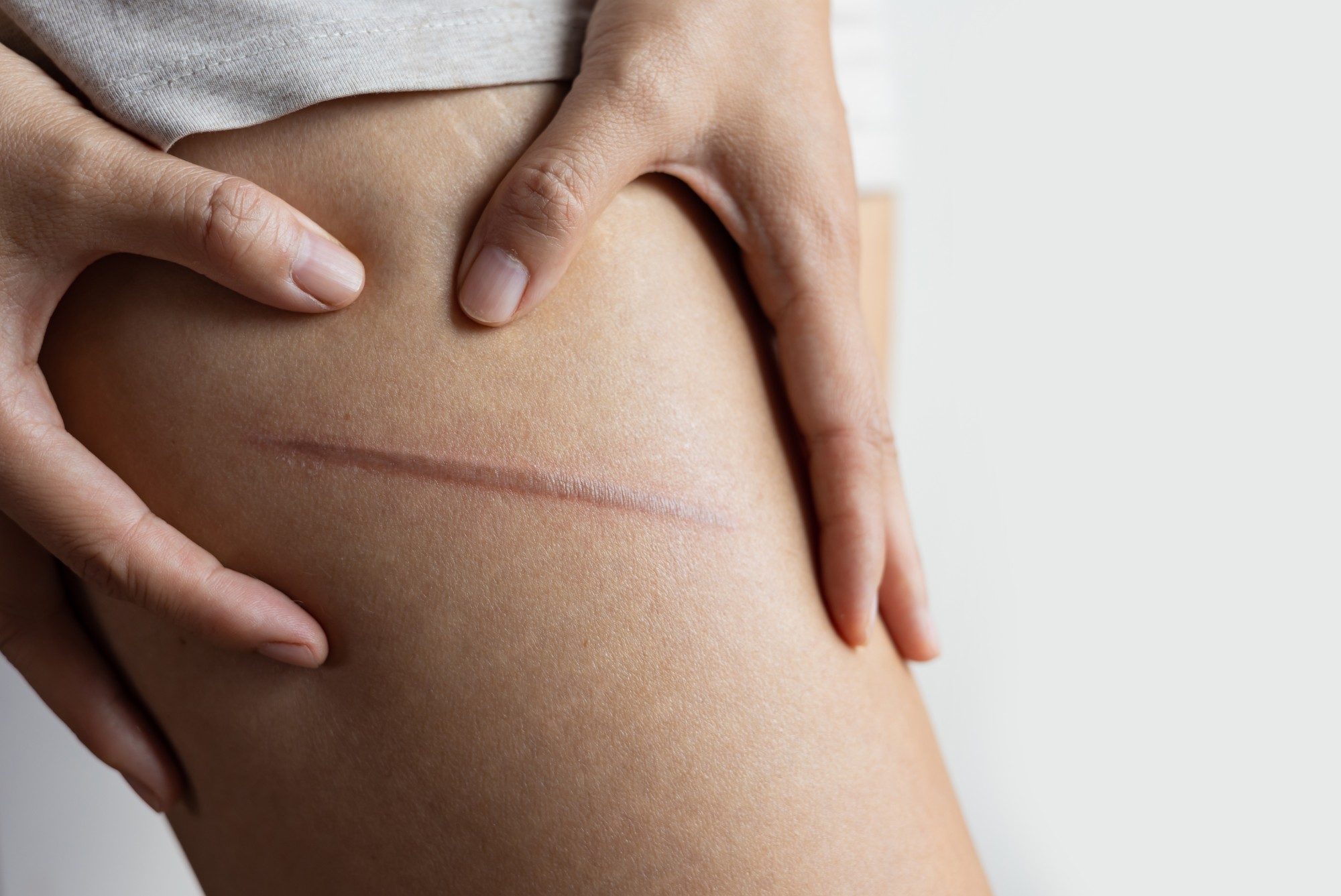
Radiotherapy may be worth discussing if any of these sound like your keloid:
If you recognise yourself here, an assessment can show whether radiotherapy could help. If a skin lump bleeds, breaks down or changes quickly, see a doctor before anything else.
Most scars flatten and fade as the skin repairs itself. In a keloid, the repair process doesn't switch off. The skin keeps laying down collagen, so the scar becomes thick, firm and raised. It also spreads beyond the edges of the original wound and, unlike an ordinary raised scar, doesn't shrink back on its own. Almost any skin injury can trigger one, including surgery, piercings, acne, burns, vaccinations and insect bites. Keloids most often appear on the chest, shoulders, upper back, chin, neck and ears. They're more common in people with darker skin, in people between about 10 and 30 years old, and in families where others have had them. Cutting one out is an injury in itself, which is why keloids so often return.
At the injury
A cut, piercing, spot or operation starts the healing process, and in some people it can go into overdrive.
Weeks to years later
A keloid can take weeks, months or even years to appear. It then thickens and spreads, and may itch or hurt while it grows.
After removal
Removing the keloid creates a new wound, so the same process can start again. Radiotherapy at this point is thought to calm the cells that make scar tissue.
Keloids behave differently depending on where they form, and the radiotherapy schedule is adjusted to match. The areas Dr Shaffer sees most often include:
01 / 04
Earlobe keloids often follow a piercing. They are at low risk of coming back, so the earlobe needs the lowest dose of radiotherapy of any site. Dr Shaffer will plan a schedule that suits your scar.
02 / 04
Keloids on the rest of the ear, the part above the earlobe (the auricle), sit in between. The risk of coming back is intermediate, so the dose of radiotherapy is higher than for the earlobe but lower than for other parts of the body. Dr Shaffer will explain what to expect for your ear.
03 / 04
These areas are under constant tension from everyday movement, which makes keloids here some of the most stubborn. They are at high risk of coming back, so the radiotherapy dose is among the highest used. Nearby tissue such as the breast is shielded where possible. Dr Shaffer will look at the size of the keloid and how it has behaved in the past.
04 / 04
Keloids can form almost anywhere, including the neck, chin, jaw and legs. These sites are also at high risk of coming back, so they are treated with a higher dose. Treatment on the neck is planned with particular care because the thyroid sits close by. Dr Shaffer will explain whether the benefit justifies it for you.
No single option suits all keloids. The right choice depends on the size and position of the scar, how long you've had it, how much it bothers you and what you've already tried.
If you're prone to keloids, avoiding unnecessary piercings, tattoos and elective skin procedures lowers the chance of a new one forming. Silicone gel or dressings are often suggested, and treating acne early reduces the scarring it leaves behind. These measures can ease a keloid but rarely get rid of one that's already established.
Steroid injections soften and flatten a keloid and can ease itching. Freezing (cryotherapy) and laser treatment are also widely used, and laser before steroid injections may help the injections work better. However, the benefit often doesn't last.
Removing a keloid with an operation alone is rarely a lasting answer. In published studies, between roughly half and nearly all keloids grew back. The NHS says surgery alone isn't usually recommended because the scar is likely to return bigger.
Taking the keloid out and then giving a brief course of low-dose radiotherapy to the wound is recognised in the Royal College of Radiologists' guidance as giving a low rate of regrowth. In pooled studies, fewer than 1 in 10 keloids returned, with lower rates on the ear and higher rates on the chest. It isn't a guarantee, but it meaningfully lowers the odds for a keloid that keeps coming back.
Radiotherapy for a keloid uses low-energy X-rays or electrons that act only on the skin and the tissue just beneath it. The total dose is a fraction of what's used in cancer treatment. It targets the surgical scar while the wound is healing, when a keloid is most likely to return.
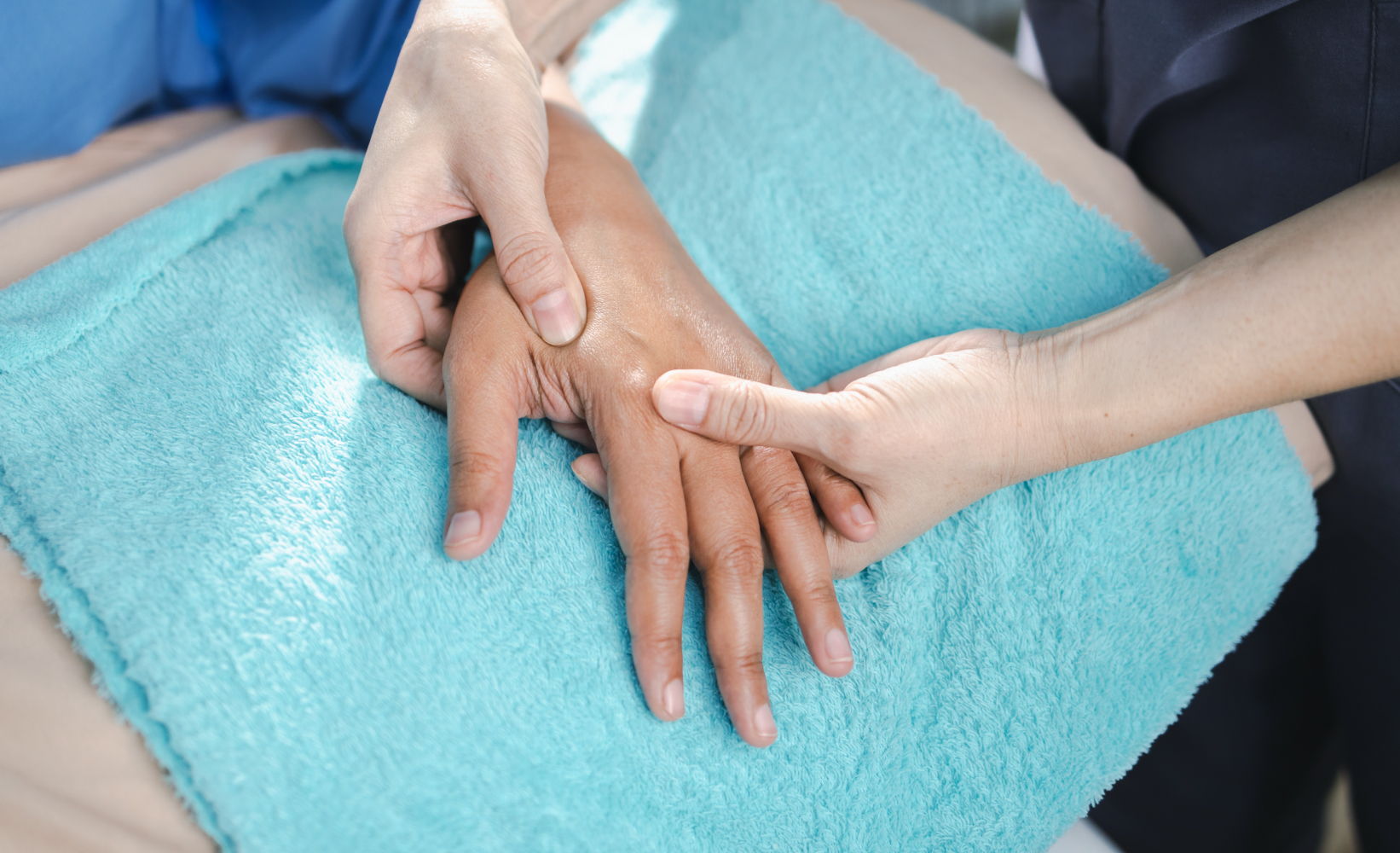
Dr Shaffer examines the scar closely, asks about its history and the treatments you've had, and reviews any photographs or notes from your surgeon or dermatologist. He then gives you an honest opinion on whether radiotherapy is likely to be worthwhile.
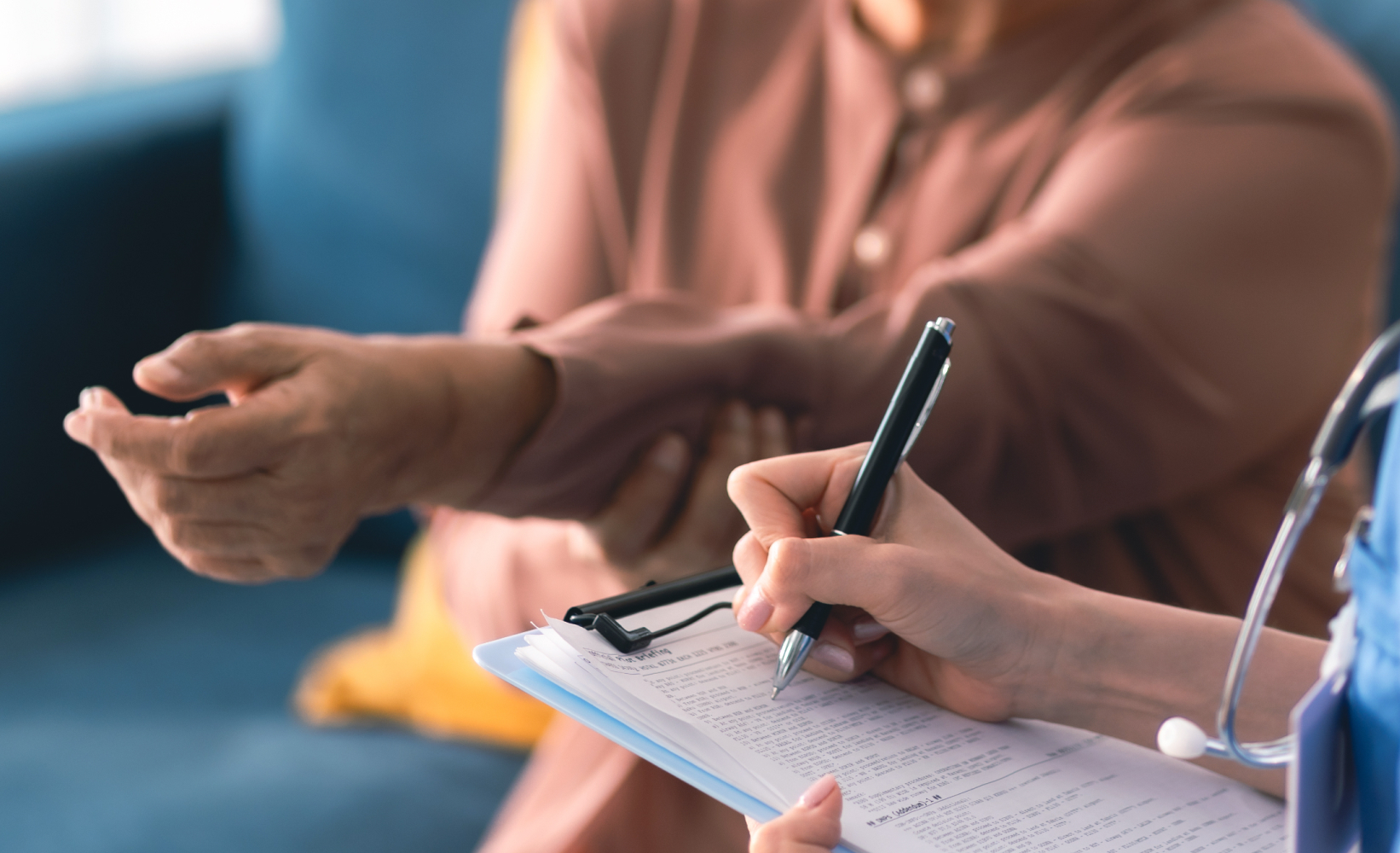
Because timing matters, the operation and radiotherapy are arranged together with your surgeon, so treatment can begin within 3 days of the keloid being removed. On the day, the scar is marked and, where needed, the surrounding skin is shielded.
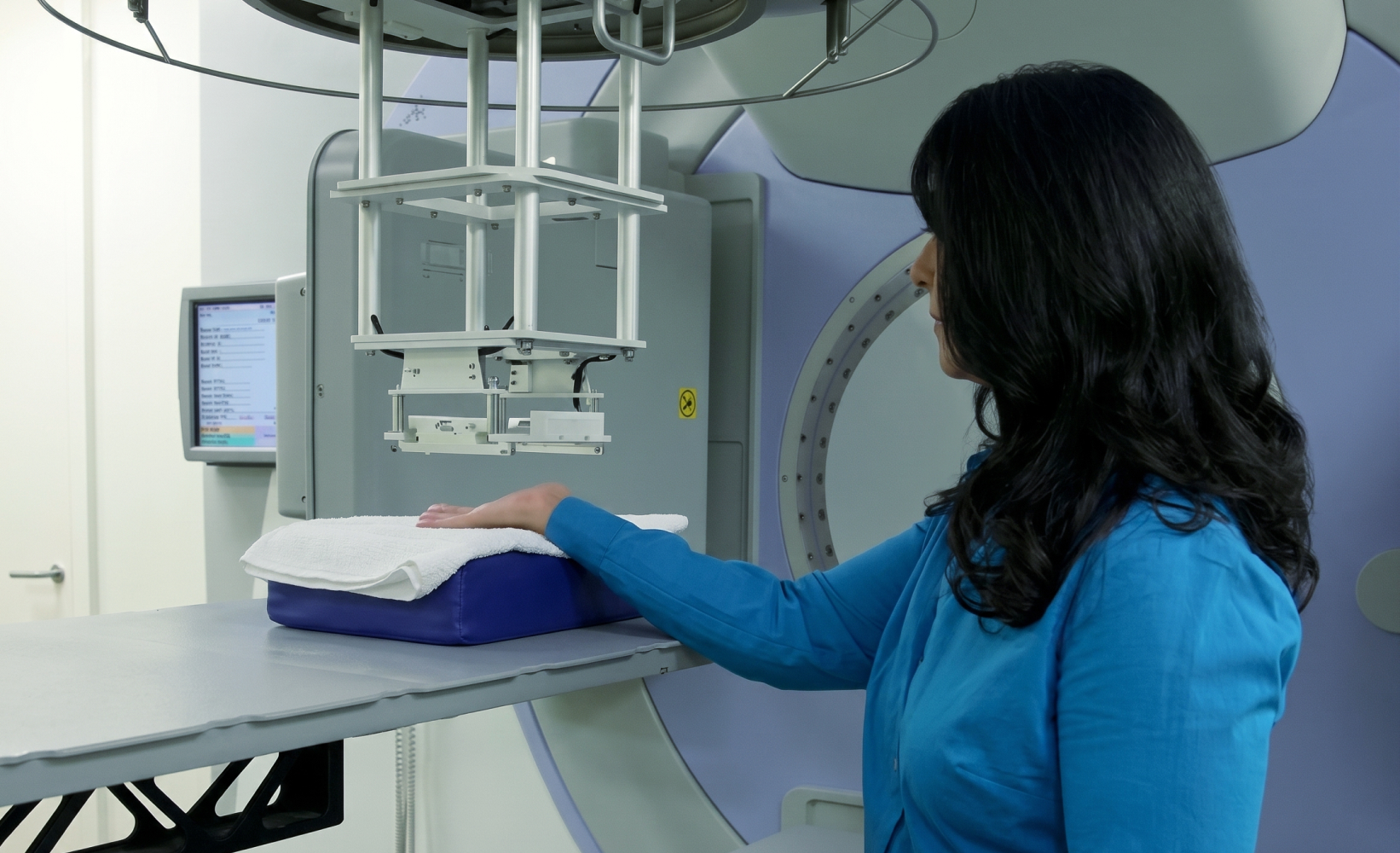
You'll have a small number of very short outpatient sessions, usually between one and three depending on where the keloid is. You lie or sit still while the machine is positioned over the scar, and you won't feel anything.
Every review below is a genuine Google review from patients Dr Shaffer has been in the past, exactly as it was written. They are here so you can understand what a consultation and treatment are actually like from people who have experienced them.
4.9
★★★★★
300+ Google reviews

3 months ago
★★★★★
I had an initial consultation with Dr Shaffer today. The appointment was on time, very informative and reassuring. Dr Shaffer is clearly a leading expert and I would have no hesitation recommending him to my family and friends.

11 months ago
★★★★★
Within 20 minutes of completing an online enquiry form Dr Shaffer had called me personally, discussed my condition and made an appointment to see him. He listened, gave me time to discuss every aspect and after a thorough examination gave me advice about whether I needed treatment at this time or not. I never felt under any pressure and completely trusted his expert opinion. At last somebody who took notice and understood the condition. I would highly recommend his care.

9 months ago
★★★★★
I received radiotherapy treatment for Dupuytrens Contracture on my right hand which ended in March 2023. I’m happy to say that the progression of Dupuytrens has ceased in my right hand and no more nodules or contractures have appeared. Dr Shaffer and his team were very helpful and professional throughout and I would recommend their services gladly.

a year ago
★★★★★
A lovely, friendly, efficient hospital. My appointment was on time. Dr Shaffer was welcoming and kind and thoroughly detailed his findings and the approach to my treatment. My schedule for the treatment was limited so every effort was made to accommodate me within my timeframe. The only surprise for me was the lack of parking at the hospital, so if you're taking your car it would be a good idea to research parking facilities within the area before your appointment.

5 years ago
★★★★★
Despite the Covid-19 situation I was dealt with quickly and efficiently by all staff. Dr Shaffer was on-time and dealt with the examination of hands/feet. He was able to rely on records of a prior visit in 2011 to help with diagnosis (that I had lost). He was able to recommend treatment and courses of action - whether through him or colleagues. He was very helpful.
10 months ago
★★★★★
I had treatment on my left hand a year ago by Dr Shaffer and his team. All good so far and the nodules do feel much softer. Unfortunately it has now started in my right hand but I'm hopeful the treatment will work as well on this hand. Dr Shaffer is really warm and personable. He really does help to put your mind at rest. His team are very friendly and kind too. Would highly recommend.
6 months ago
★★★★★
Since receiving Radiotherapy treatment for Dupuytrens in my left hand, in 2022, there has been no noticeable growth in the cords and nodules present, and no signs of contraction. Dr Shaffer was swift to arrange my initial appointment and examination, and the therapy schedule was set up not long after. I am very happy with the whole experience from start to finish.
6 months ago
★★★★★
Richard treated my Dupuytrens in 2021. At the time, I was developing a contracture. Treatment was easy and a complete success - no contractures and a fully functional hand.
11 months ago
★★★★★
My consultation with Dr Richard Shaffer was incredible. I have a severe case of Ledderhose disease and Dupuytrens. Dr Shaffer showed so much concern and interest in my case. For the first time in 51 years I am beginning to feel confident that someone may be able to assist me with this disease. It was an inspiration and a pleasure to meet with Dr Shaffer. Thank you so much.
11 months ago
★★★★★
Professional operation with an initial consultation with Richard Shaffer, who is very knowledgeable and experienced, followed by two sets of radiotherapy on both hands. My dupuytrens improved markedly so seeking help was worth the expense. Avoid pretenders and head to those that know what they're doing potentially saving yourself from surgery.
Dr Shaffer sees patients with keloids at all five locations. If travel is difficult, your first consultation can be held by video.
Radiotherapy for keloids is only given at Wimbledon and Manchester.
View Locations
Your first appointment is about finding out whether radiotherapy has a place in your keloid care. By the end, you'll know where you stand and what the sensible next step is, whether or not that involves treatment with Dr Shaffer.
The radiotherapy itself is painless, and each session takes only a few minutes. Most people need between one and three sessions, depending on where the keloid is. Dr Shaffer will confirm the plan for your scar. The skin may feel sore for a few weeks afterwards, but this will improve.
As soon as possible after the keloid is removed, because a healing wound is when a keloid is most likely to start growing again. UK guidance recommends starting ideally within 24 hours and no later than 72 hours, although research on the best timing is limited. This is why your operation and the radiotherapy are arranged together.
The doses used are low and target only the scar and the skin immediately around it. Short-term skin reactions are common but usually settle within weeks, and serious wound problems are uncommon in published studies. Radiation does carry a very small long-term risk of causing a cancer many years later. That's why treatment is for adults, is avoided in children and during pregnancy, and needs extra care near the thyroid and breast. Dr Shaffer will go through the balance of benefit and risk for your own scar.
No treatment can make that promise. In pooled studies, around 1 in 10 to 1 in 20 keloids returned after surgery with radiotherapy, compared with roughly half or more after surgery alone. A keloid that does return can sometimes be treated again. Dr Shaffer will explain what to expect for your own scar.
It can be considered when an operation is not possible or not wanted. However, the evidence is weaker than for radiotherapy after surgery and the results are less predictable. It tends to be reserved for particular situations, such as large or troublesome keloids in people who cannot have surgery. Dr Shaffer will give you a frank view, including when another approach would be more appropriate.
Yes. Ear keloids often follow a piercing and are one of the sites where the evidence is most encouraging. In pooled studies, the ear had the lowest rate of regrowth, at around 1 in 20. A less intensive schedule is generally used for the earlobe.
Some NHS hospitals offer radiotherapy after keloid surgery, usually arranged through a dermatology or plastic surgery team, though availability varies by area. Appointments with Dr Shaffer are private, and you don't need a GP referral. You can book online or send an enquiry, and the team will be in touch to discuss the next steps.
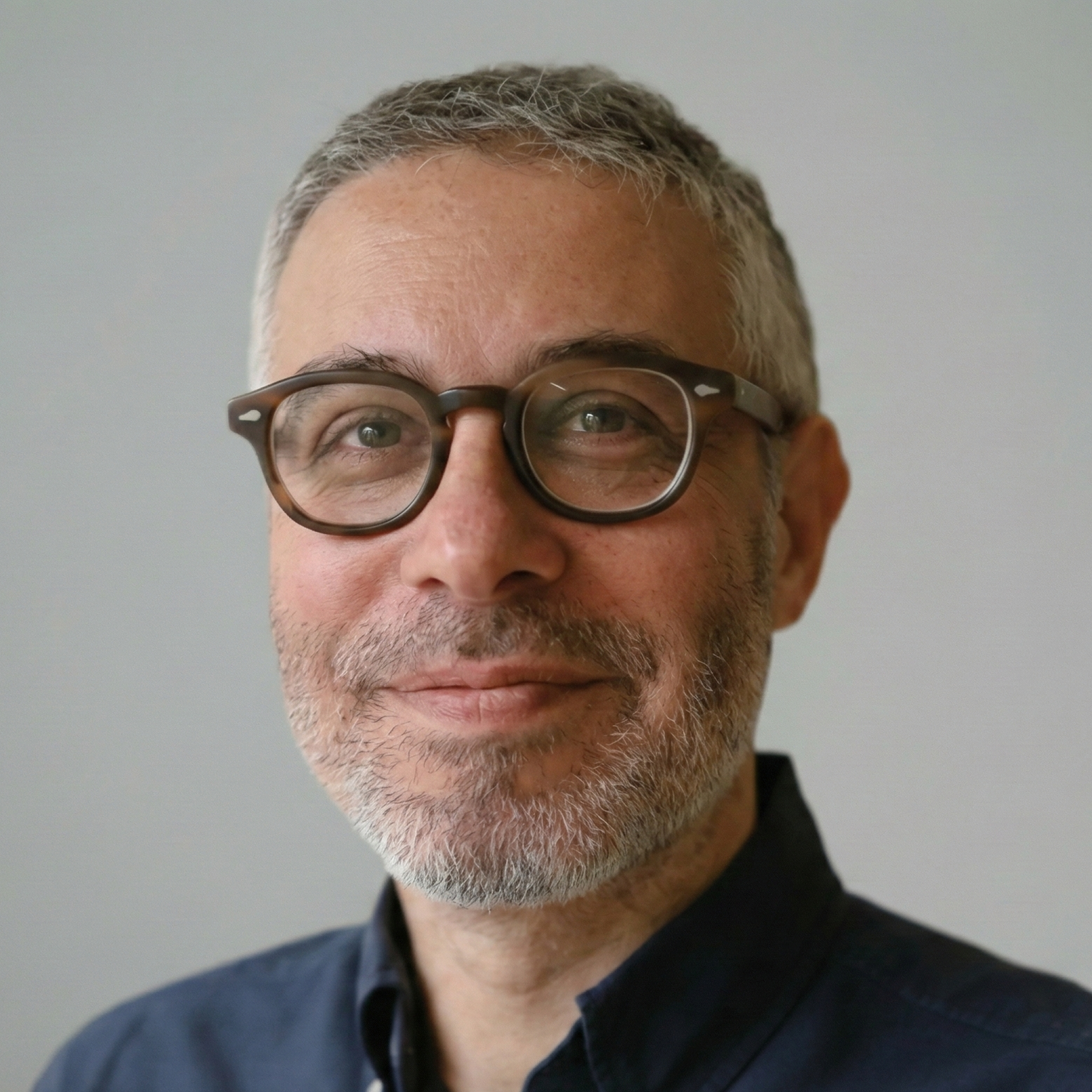
Radiotherapy Expert
Dr Shaffer has spent over fifteen years treating benign conditions with low-dose radiotherapy, from Dupuytren's and Ledderhose disease to osteoarthritis and keloids. Book a consultation to discuss your symptoms and whether treatment is right for you.
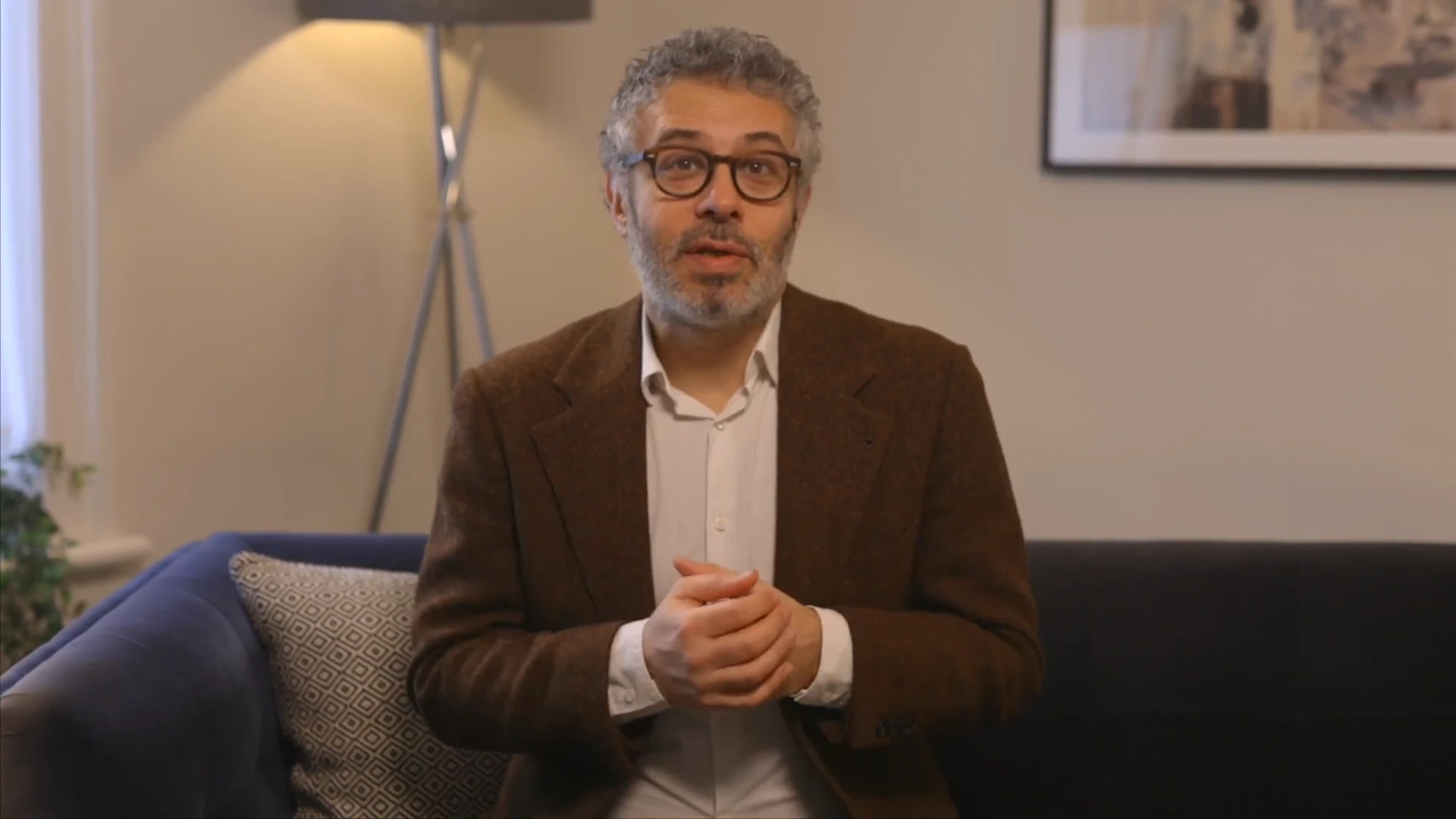
Dr Richard Shaffer
30 min
Ergéa Clinics currently accepts self-pay patients only, so all consultations and treatment are paid for directly. Dr Shaffer charges the following consultation fees:
If you see Dr Shaffer at Ergéa Clinics, planning and radiotherapy treatment will normally both take place at this location.
Our team aims to respond within one working day.
Sorry, that did not send. Please call 07584 532397 or email pa.drshaffer@genesiscare.co.uk.
Thank you. Dr Shaffer's team will be in touch shortly.