The first weeks
Most Cases Settle
Pain from a recent strain usually fades as you rest, adjust your activity and give the tendon time.
If rest, physiotherapy or injections haven't relieved your tendon pain, low-dose radiotherapy offers an alternative approach. It's a painless outpatient treatment that targets inflammation in and around the tendon, with no needles and no recovery time.
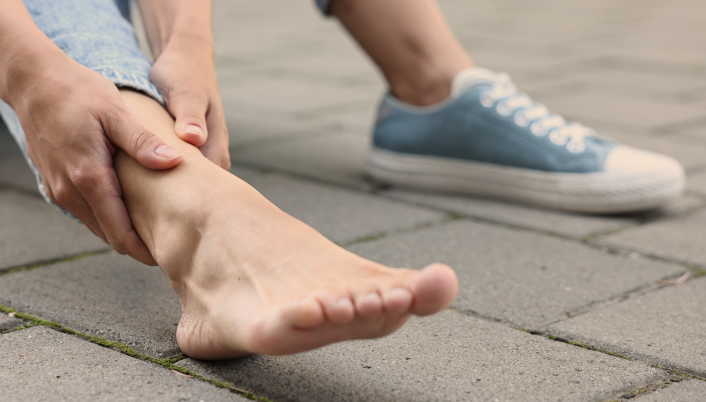
Radiotherapy is worth discussing if these sound like you:
If any of these apply, an assessment can tell you whether radiotherapy could help.
Tendon pain can affect many parts of the body, and Dr Shaffer can assess it wherever it occurs. Select the area that is troubling you to find out more.

01 / 08
Aching and stiffness in the thick tendon just above the heel. The pain is usually worst during the first steps after getting up or sitting for a while. As the body's largest tendon, it carries a heavy load, so ongoing pain can make walking, running and long periods on your feet difficult. Radiotherapy can be used for Achilles pain that hasn't improved after months of rest, exercise and other treatment.
02 / 08
A deep ache across the top and outer part of the shoulder, which tends to flare when you raise your arm or lie on that side at night. Radiotherapy may be considered for shoulder pain that has lasted for months without improvement.
03 / 08
Soreness on the outer edge of the elbow when you grip, lift something or turn a door handle. It's caused by overuse of the forearm tendons that pull the wrist back. Where the pain has gone on for months despite rest, physiotherapy or injections, radiotherapy is one of the options worth discussing.
04 / 08
Tenderness on the inner side of the elbow, sometimes running down into the forearm. It's an overuse problem in the tendons that bend the wrist and fingers, so carrying shopping, shaking hands or gripping tools can all trigger it. If it hasn't eased with rest and other treatment, Dr Shaffer can assess whether radiotherapy would suit you.
05 / 08
Pain on the thumb side of the wrist, reaching towards the base of the thumb. It usually gets worse when you pinch, grip or twist. The condition affects the two tendons that run along this side of the wrist, and the area is often tender and sometimes swollen. Dr Shaffer will review what you've already tried and tell you whether radiotherapy might help.
06 / 08
Pain over the bony point on the side of the hip. It's typically worse when you lie on that side, cross your legs, climb stairs or walk. The tendons of the gluteal muscles attach there and can become irritated. You may also hear the condition called greater trochanteric pain syndrome. Radiotherapy may help if the pain doesn't improve despite exercise, physiotherapy or injections.
07 / 08
Pain at the front of the knee just below the kneecap, often called jumper's knee. It tends to flare with squatting, jumping, running or on stairs. The condition develops when the tendon joining the kneecap to the shinbone is overloaded, and it's particularly common in people who play jumping sports. Dr Shaffer can advise whether radiotherapy is worth considering if the pain hasn't responded to other treatments.
08 / 08
Stabbing pain under the heel, usually at its worst with the first steps after getting out of bed. The thick band of tissue along the sole of the foot becomes irritated, and the pain often eases with movement before coming back after rest. Radiotherapy may be considered when heel pain has lasted six months or more despite conservative treatment. It has also been studied in randomised trials.
Most tendon problems settle within weeks to a few months. When they don't, it's usually for one of three reasons: the tendon keeps being overloaded, low-level irritation persists, or the tendon's structure has changed and can't repair itself properly.
The first weeks
Pain from a recent strain usually fades as you rest, adjust your activity and give the tendon time.
Around two months
If it keeps returning, the tendon itself may be changing, which can make recovery slower.
Three to six months or more
If pain hasn't improved with treatment, it's worth a specialist assessment.
Several treatments can help a painful tendon, and the best choice depends on which tendon is affected, how long you have had symptoms and what has already been tried.
The usual first step is to cut back on whatever provokes the pain and follow a graded loading programme. This involves exercises that slowly increase the demand on the tendon.
Steroid injections, platelet-rich plasma (PRP) and shockwave therapy are often tried when exercise alone hasn't been enough.
If symptoms have persisted for three months or more without improvement from more conservative measures, low-dose radiotherapy might be worth considering. It can be given before or after injections or shockwave, depending on your circumstances.
Normally kept for tendon pain that hasn't responded to anything else.
Radiotherapy for tendon pain uses the same kind of carefully targeted beam as in cancer care, but at a far smaller dose. It aims to reduce the inflammation driving your pain.
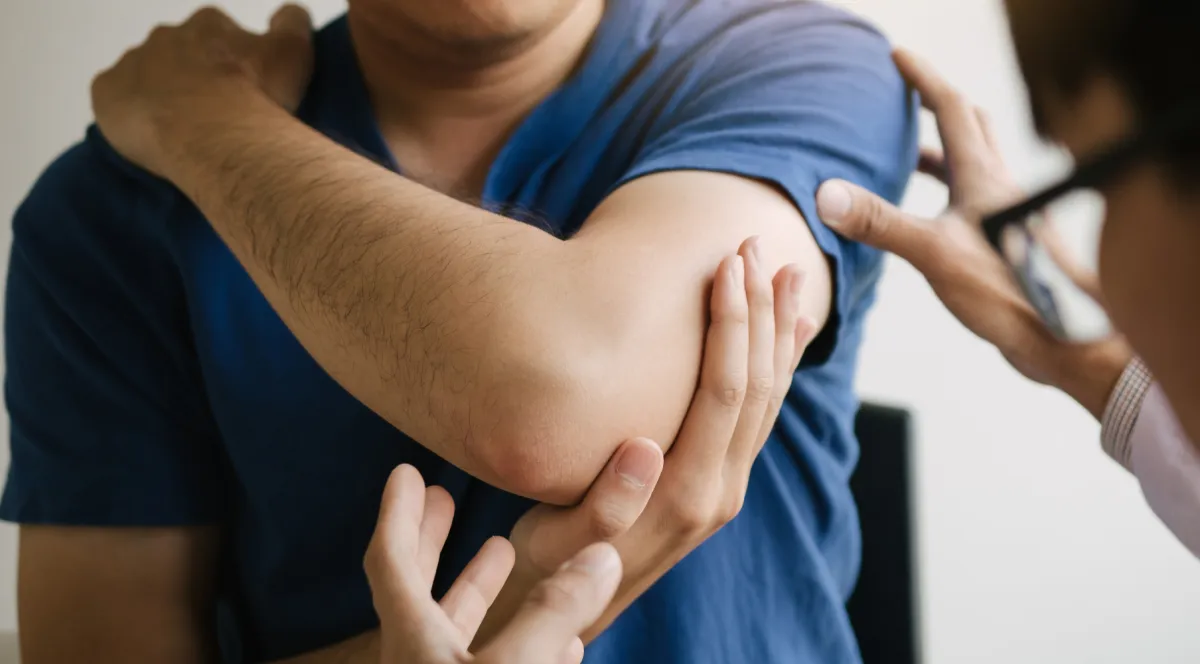
Dr Shaffer examines the sore area, reviews your scans and past treatment records, and gives you an honest view of whether radiotherapy is likely to help.
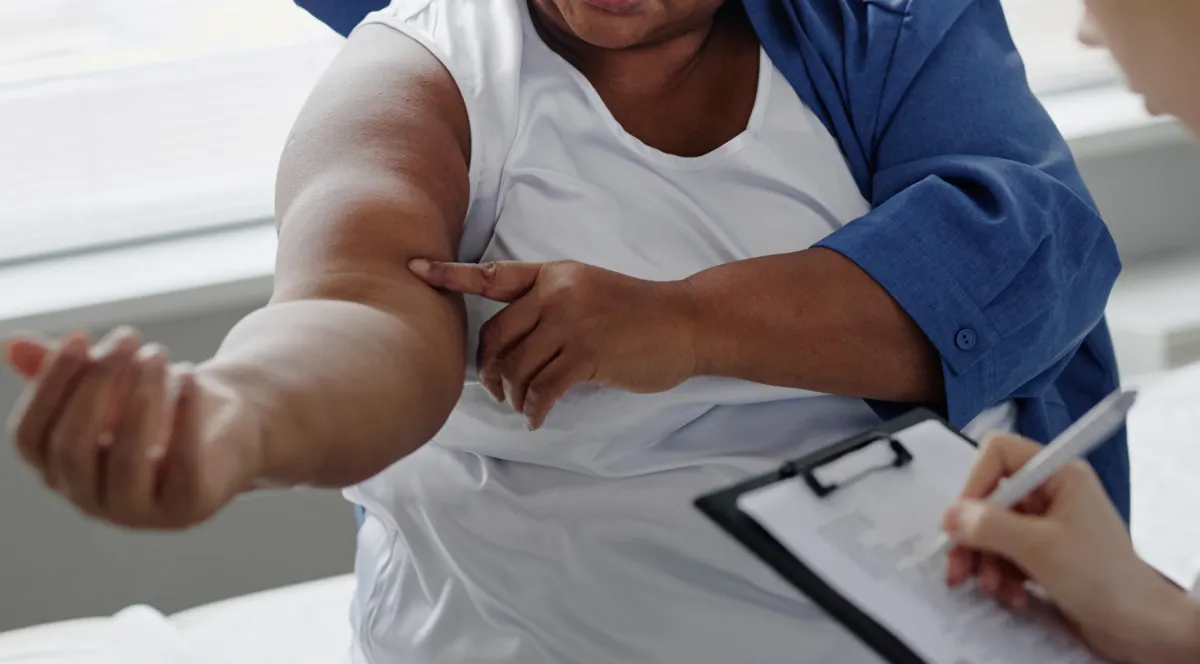
If you decide to proceed, your treatment is planned so the beam only reaches the affected tendon.
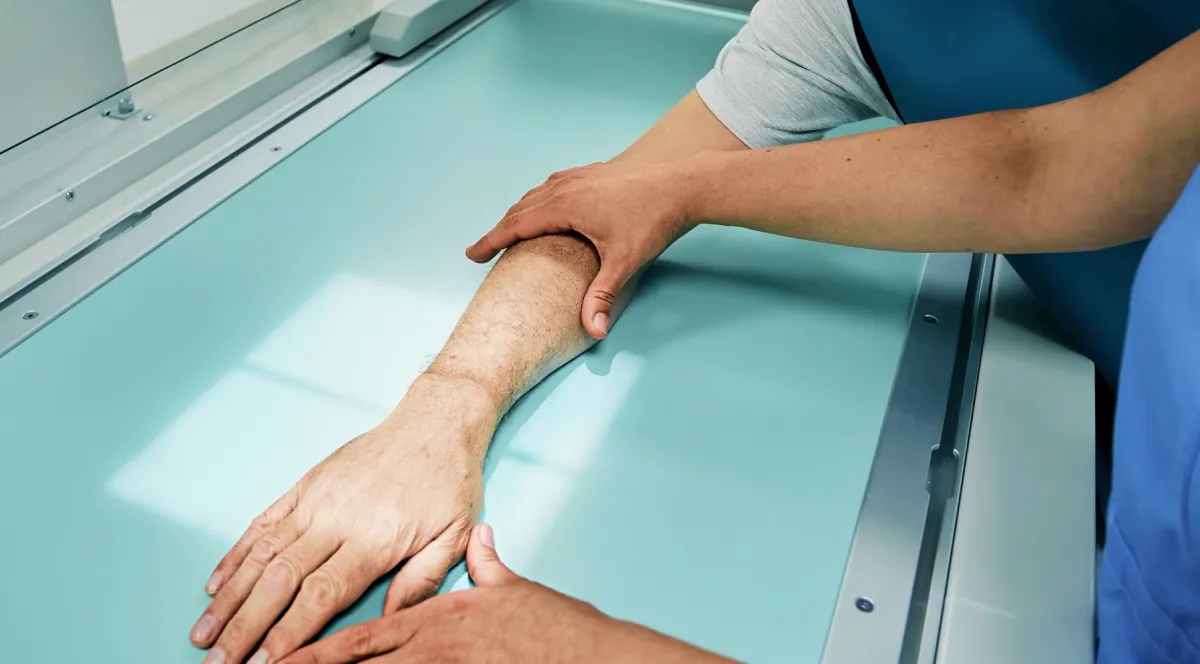
You'll have a short series of outpatient sessions, sitting or lying comfortably while the beam is delivered. You won't feel it.
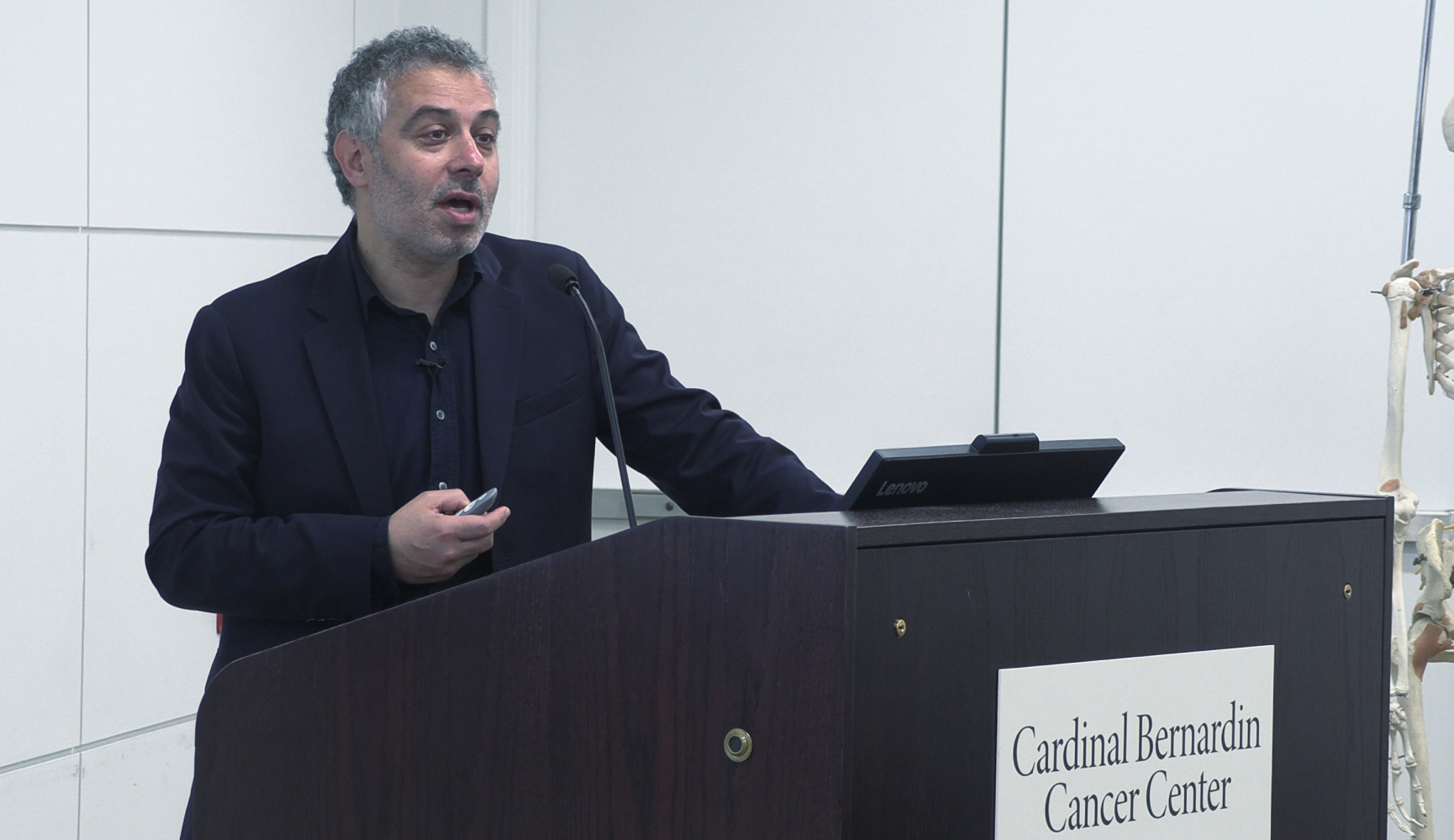
"Many patients come to me after years of tendon pain. My job is to tell them honestly whether radiotherapy can help."
Dr Shaffer is a consultant clinical oncologist who has spent more than 15 years using radiotherapy for conditions other than cancer. He contributed to the Royal College of Radiologists' UK recommendations on radiotherapy for benign disease, and he is Medical Director of Ergéa Clinics.
Every review below is a genuine Google review from patients Dr Shaffer has been in the past, exactly as it was written. They are here so you can understand what a consultation and treatment are actually like from people who have experienced them.
4.9
★★★★★
300+ Google reviews

3 months ago
★★★★★
I had an initial consultation with Dr Shaffer today. The appointment was on time, very informative and reassuring. Dr Shaffer is clearly a leading expert and I would have no hesitation recommending him to my family and friends.

11 months ago
★★★★★
Within 20 minutes of completing an online enquiry form Dr Shaffer had called me personally, discussed my condition and made an appointment to see him. He listened, gave me time to discuss every aspect and after a thorough examination gave me advice about whether I needed treatment at this time or not. I never felt under any pressure and completely trusted his expert opinion. At last somebody who took notice and understood the condition. I would highly recommend his care.

9 months ago
★★★★★
I received radiotherapy treatment for Dupuytrens Contracture on my right hand which ended in March 2023. I’m happy to say that the progression of Dupuytrens has ceased in my right hand and no more nodules or contractures have appeared. Dr Shaffer and his team were very helpful and professional throughout and I would recommend their services gladly.

a year ago
★★★★★
A lovely, friendly, efficient hospital. My appointment was on time. Dr Shaffer was welcoming and kind and thoroughly detailed his findings and the approach to my treatment. My schedule for the treatment was limited so every effort was made to accommodate me within my timeframe. The only surprise for me was the lack of parking at the hospital, so if you're taking your car it would be a good idea to research parking facilities within the area before your appointment.

5 years ago
★★★★★
Despite the Covid-19 situation I was dealt with quickly and efficiently by all staff. Dr Shaffer was on-time and dealt with the examination of hands/feet. He was able to rely on records of a prior visit in 2011 to help with diagnosis (that I had lost). He was able to recommend treatment and courses of action - whether through him or colleagues. He was very helpful.
10 months ago
★★★★★
I had treatment on my left hand a year ago by Dr Shaffer and his team. All good so far and the nodules do feel much softer. Unfortunately it has now started in my right hand but I'm hopeful the treatment will work as well on this hand. Dr Shaffer is really warm and personable. He really does help to put your mind at rest. His team are very friendly and kind too. Would highly recommend.
6 months ago
★★★★★
Since receiving Radiotherapy treatment for Dupuytrens in my left hand, in 2022, there has been no noticeable growth in the cords and nodules present, and no signs of contraction. Dr Shaffer was swift to arrange my initial appointment and examination, and the therapy schedule was set up not long after. I am very happy with the whole experience from start to finish.
6 months ago
★★★★★
Richard treated my Dupuytrens in 2021. At the time, I was developing a contracture. Treatment was easy and a complete success - no contractures and a fully functional hand.
11 months ago
★★★★★
My consultation with Dr Richard Shaffer was incredible. I have a severe case of Ledderhose disease and Dupuytrens. Dr Shaffer showed so much concern and interest in my case. For the first time in 51 years I am beginning to feel confident that someone may be able to assist me with this disease. It was an inspiration and a pleasure to meet with Dr Shaffer. Thank you so much.
11 months ago
★★★★★
Professional operation with an initial consultation with Richard Shaffer, who is very knowledgeable and experienced, followed by two sets of radiotherapy on both hands. My dupuytrens improved markedly so seeking help was worth the expense. Avoid pretenders and head to those that know what they're doing potentially saving yourself from surgery.
Dr Shaffer assesses patients in person at five locations nationwide. If travel is difficult, your first consultation can be held by video.
Treatment is available at 16 centres across the UK.
View Locations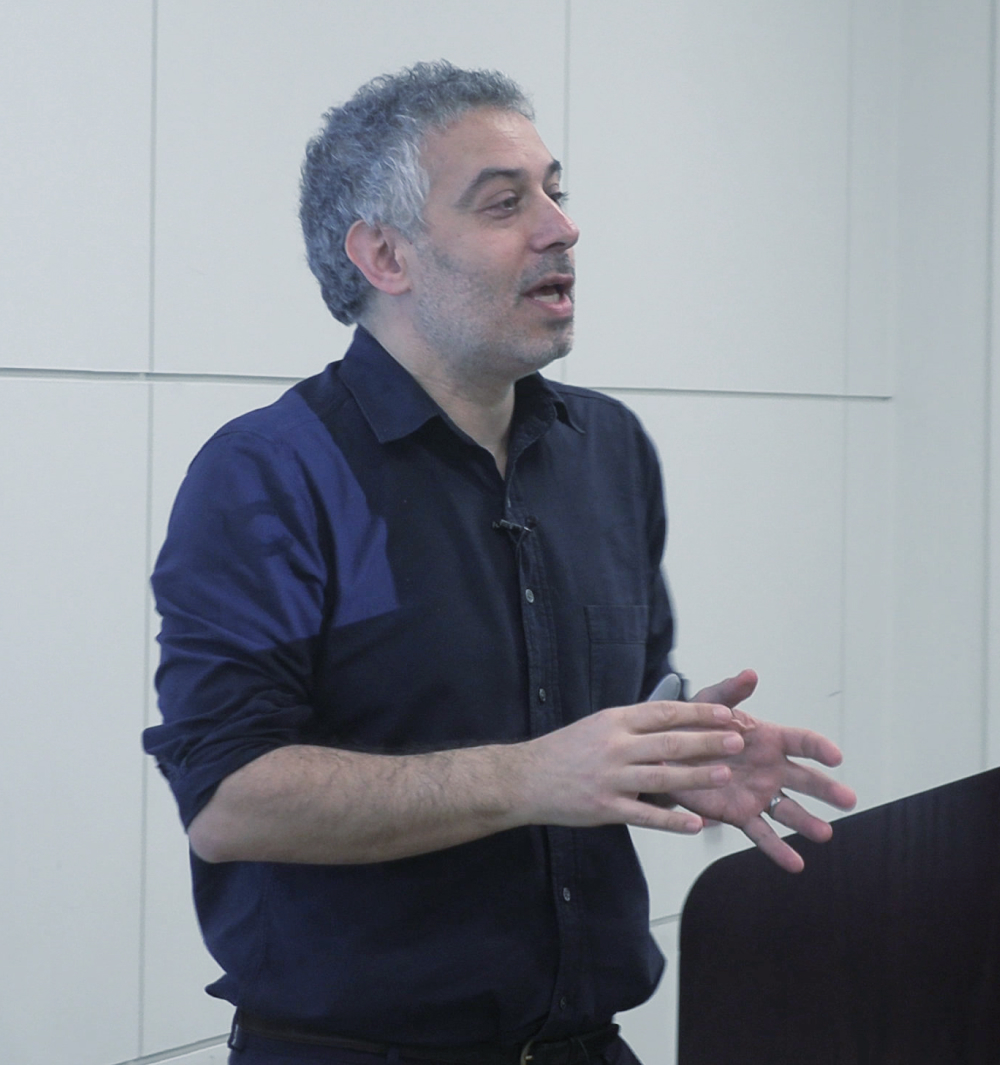
Your first appointment is about finding out where you stand. By the end, you'll know if radiotherapy is likely to help your tendon pain and what the sensible next step is.
No. You won't feel the beam. Most people carry on with their usual activities straight after a session.
Most people have six brief sessions over two to three weeks. You sit or lie comfortably for each one. Dr Shaffer will confirm the plan that suits you at your consultation.
Relief tends to build gradually over the weeks and months after your course finishes. It's not an instant fix. Your progress is usually reviewed after two or three months. If the improvement is only partial, a second course can sometimes be discussed.
It's generally well tolerated. The dose is a small fraction of what's used in cancer treatment and targets only the painful area. The estimated long-term risk of it causing cancer is very tiny. Dr Shaffer will discuss any risks that apply to you at your appointment.
Yes. It's often considered after rest, physiotherapy, injections or shockwave have failed to provide lasting relief. In some cases, it can be used before those treatments. Dr Shaffer will review your scans and any previous treatment before advising you.
Both are non-invasive options for persistent tendon pain. Shockwave can be uncomfortable, while radiotherapy is painless. Radiotherapy can be used before shockwave, or afterwards if shockwave hasn't worked. Dr Shaffer can advise on the best order for you.
The NHS doesn't routinely provide it, which means it's usually arranged privately. Dr Shaffer's team can explain how to book an appointment.
No. You can contact us directly to book a consultation, either online or by sending an enquiry. A team member will get in touch to discuss what happens next.
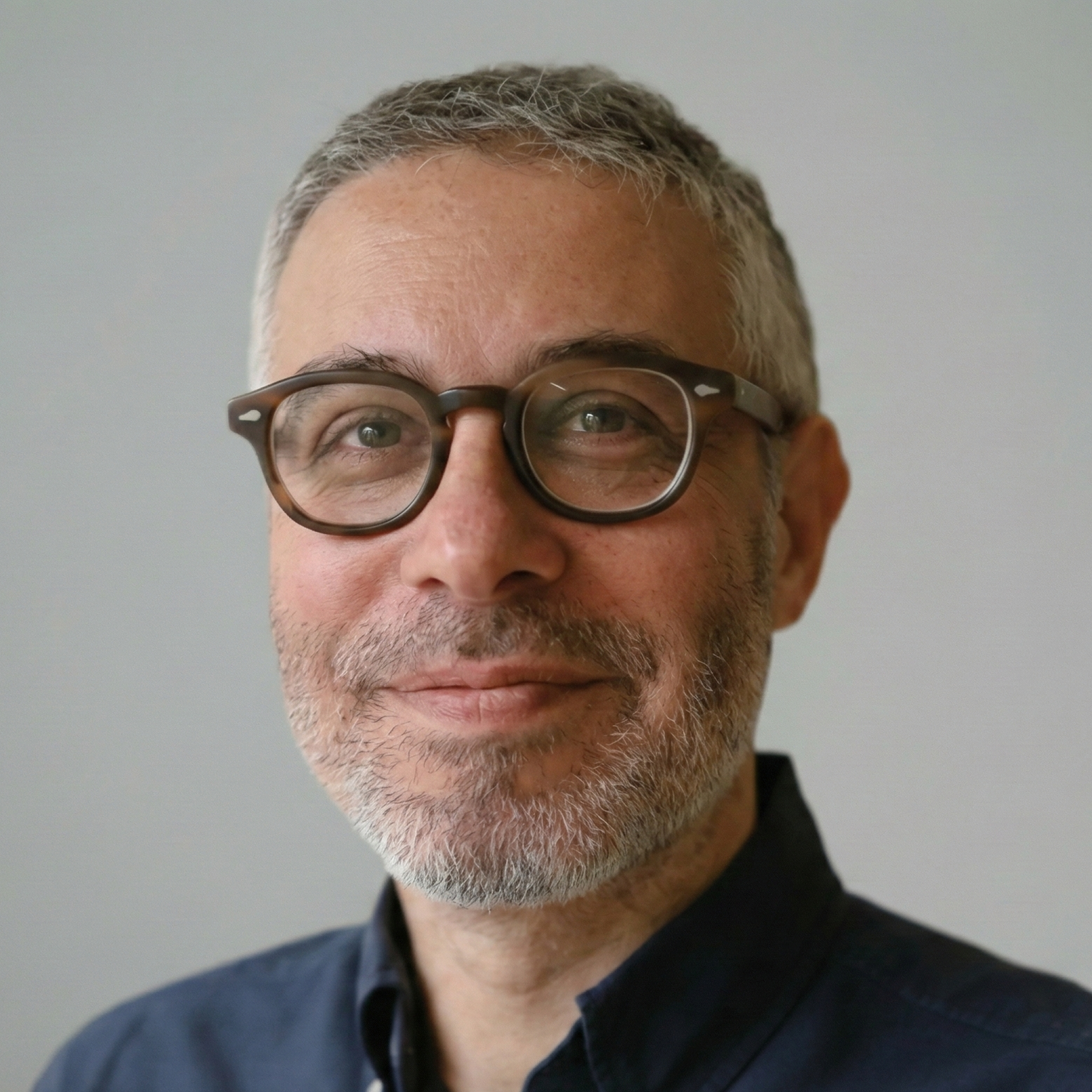
Radiotherapy Expert
Dr Shaffer has spent over fifteen years treating benign conditions with low-dose radiotherapy, from Dupuytren's and Ledderhose disease to osteoarthritis and keloids. Book a consultation to discuss your symptoms and whether treatment is right for you.
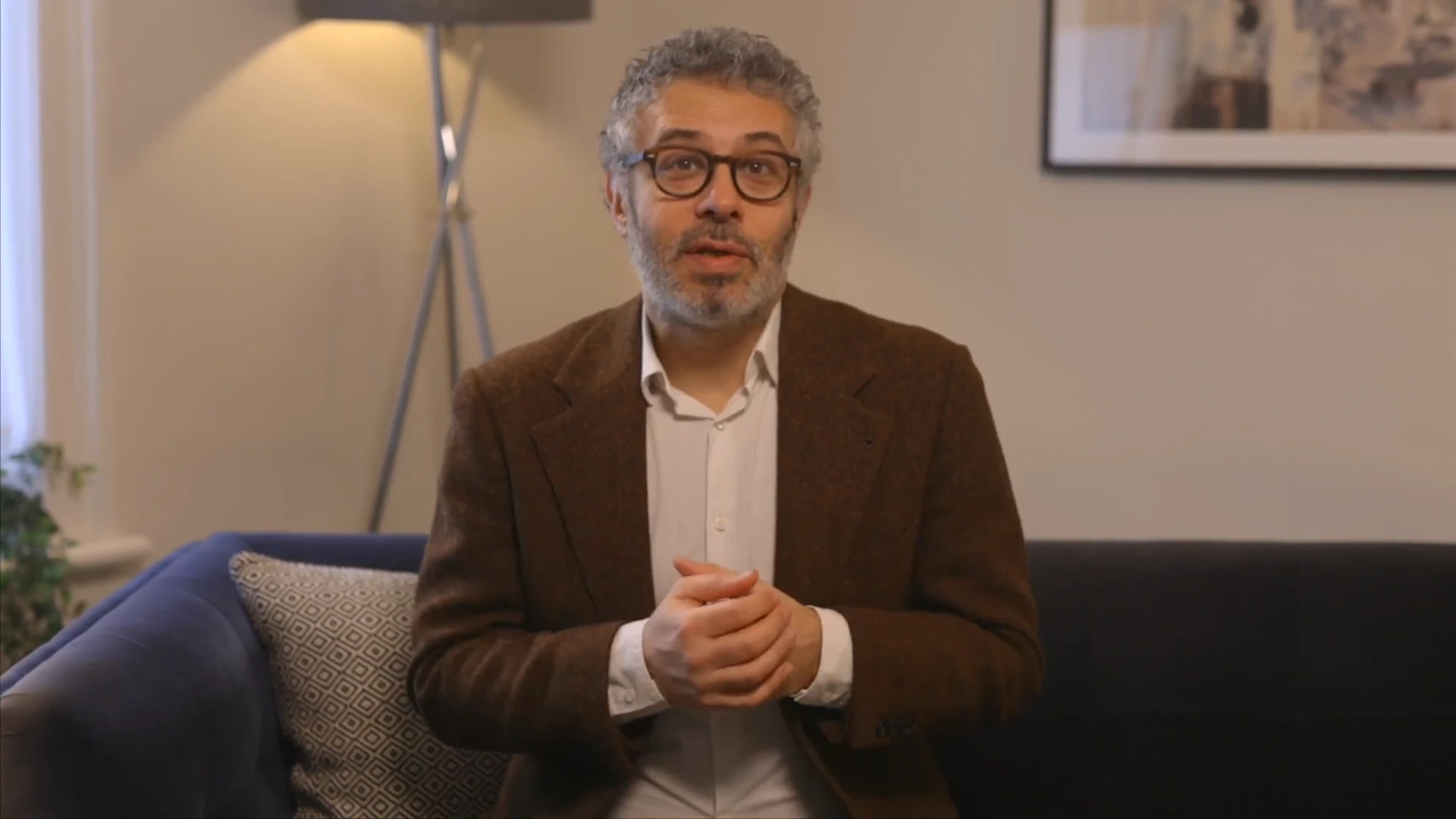
Dr Richard Shaffer
30 min
Ergéa Clinics currently accepts self-pay patients only, so all consultations and treatment are paid for directly. Dr Shaffer charges the following consultation fees:
If you see Dr Shaffer at Ergéa Clinics, planning and radiotherapy treatment will normally both take place at this location.
Our team aims to respond within one working day.
Sorry, that did not send. Please call 07584 532397 or email pa.drshaffer@genesiscare.co.uk.
Thank you. Dr Shaffer's team will be in touch shortly.