Optimising Post-Surgical Radiotherapy for Keloid Prevention: Timing, Dose, and Technique
Keloid scars can be distressing, uncomfortable and hard to treat. Dr Richard Shaffer explains how radiotherapy after surgery can significantly reduce the risk of a keloid coming back, looking at timing, dose and treatment technique.
In this article
Keloid scars can be distressing, uncomfortable and hard to treat. For people who are prone to keloids, surgical removal alone is often not enough, as the scar may come back and sometimes grow larger than before.
In this article, radiotherapy specialist and clinical oncologist Dr Richard Shaffer explains how radiotherapy after surgery can significantly reduce the risk of a keloid coming back, looking at timing, dose and treatment technique.

What Is a Keloid Scar?
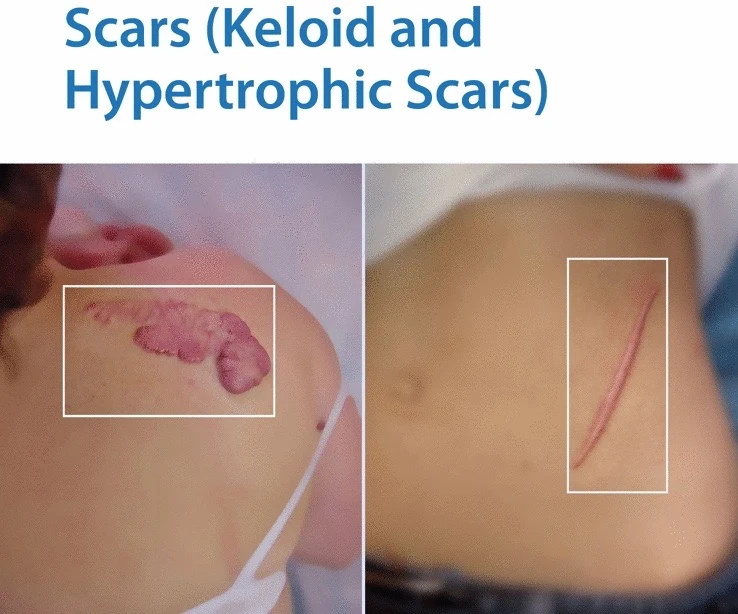
A keloid is an overgrowth of scar tissue that develops when the skin's healing response becomes excessive after injury or surgery. Unlike normal scars, keloids extend beyond the original wound and do not regress over time. They may cause itching, pain, tightness or cosmetic concern.
Keloids are more common on the chest, shoulders, upper back and earlobes, and they occur more often in people with a personal or family history of abnormal scarring.
Why Use Radiotherapy After Keloid Surgery?
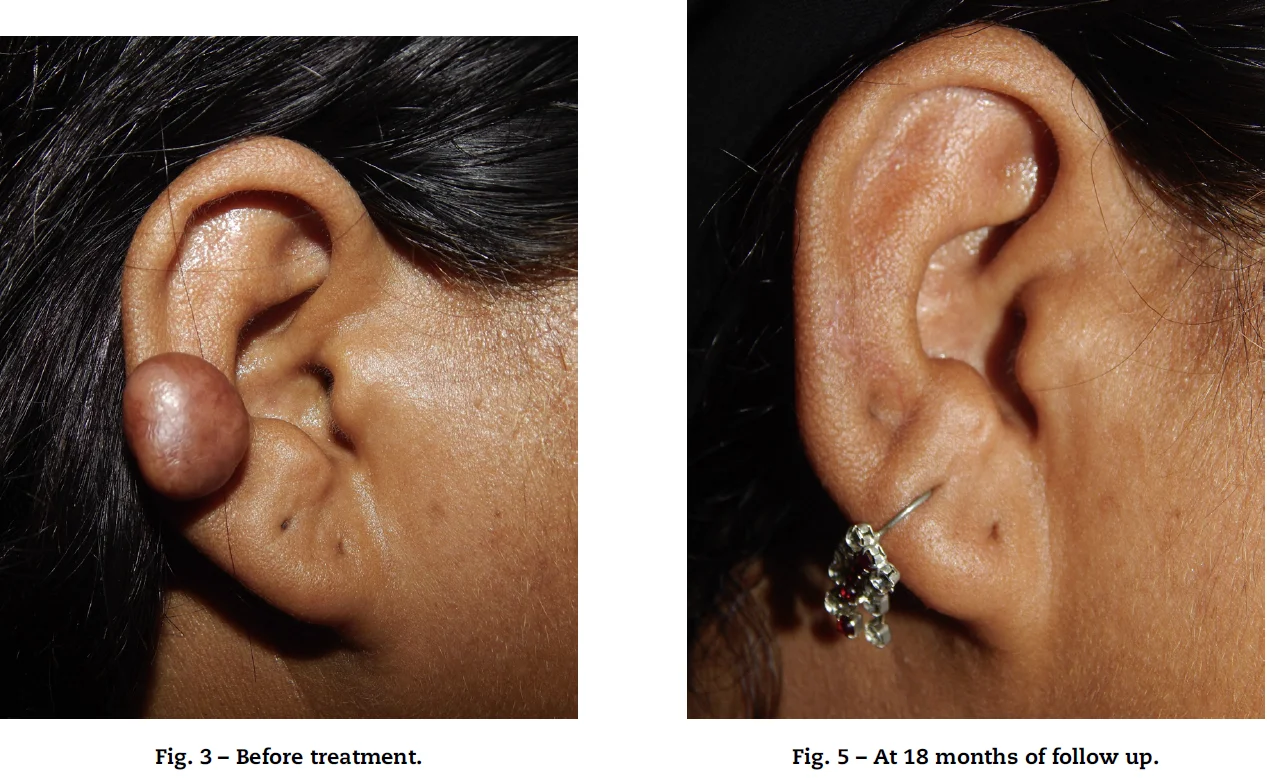
Radiotherapy after keloid surgery is used to reduce the activity of fibroblasts, the cells responsible for excessive scar formation. Combined with complete surgical excision, it significantly lowers recurrence rates compared with surgery alone.
The treatment is highly localised and uses much lower radiation doses than those used in cancer care. Its purpose is not to treat disease, but to regulate the healing process in the scar bed.
Timing of Post-Surgical Radiotherapy
Radiotherapy works best when it is given as soon as possible after surgical excision, ideally within 24 hours and no later than 72 hours. Scar-forming cells begin multiplying very early in the healing process, and prompt radiotherapy interrupts this activity before excessive collagen production becomes established.
Close coordination between the surgical and radiotherapy teams is essential so that treatment is delivered within this optimal window.
Radiotherapy Dose for Keloid Prevention
Keloid prevention needs relatively low doses of radiation, typically given over one to three short treatment sessions. The exact dose and fractionation depend on factors such as the scar's location, size and any previous recurrence.
The aim is to suppress abnormal scarring while keeping exposure of the surrounding healthy tissue to a minimum.
Radiotherapy Techniques Used for Keloids
Commonly used techniques include superficial X-ray therapy and electron beam radiotherapy. These methods are designed to treat the skin surface only, without affecting deeper tissues or organs.
Custom shielding and careful planning help keep the radiation within the scar area. Treatment sessions are painless and usually last only a few minutes.
Is Radiotherapy for Keloids Safe?
When patients are appropriately selected and treatment is properly delivered, radiotherapy for keloid prevention is considered safe and well tolerated. Short-term side effects may include mild redness or temporary changes in skin pigmentation. The risk of serious long-term complications is extremely low, particularly with modern techniques and low-dose protocols.
Post-surgical radiotherapy is a highly effective strategy for keloid prevention when it is given at the right time, with the correct dose and technique. Talking to a specialist early is particularly important for patients at higher risk of keloids coming back.
Next steps
Thinking About Treatment for Keloids?
Dr Shaffer sees patients for assessment and, where suitable, low-dose radiotherapy.